
DSA Cambridge Fellowship: Leadership for the Algorithmic Age
Leadership for the Algorithmic Age
DSA Cambridge Fellowship
A highly selective, 12-month leadership programme for public leaders, policy professionals, and researchers working where technology, data and governance meet.
About the DSA Cambridge Fellowship
The DSA Cambridge Fellowship focuses on what it takes to govern well in an age shaped by AI, planetary-scale digital infrastructure and data-driven decision-making.
It convenes a global, interdisciplinary cohort from government, academia, international organisations and industry in a trusted space for peer learning, reflection and applied problem-solving.
Delivered by The Digital Statecraft Academy, supported by



The programme
What the 12-month hybrid programme includes
Capstone project
Fellows develop solutions to pressing regional challenges, linked to their own institutional context.
Week-long Cambridge residency
An in-person training week in Cambridge with leading experts.
Hybrid learning sessions
Workshops that combine the DSA curriculum with input from international practitioners and academic experts.
Tailored networking and expert engagement
Structured access to academics, practitioners and useful contacts across the global Fellowship network, throughout the year.
Visibility and impact
Opportunities to present at the Data for Policy international conference, in public webinars and through partner networks.
Publication pathway
Support from Cambridge University Press to share your research findings.
Fellows receive a Certificate of Completion at the end of the programme and join the DSA Fellowship Alumni Network for ongoing collaboration, leadership development and professional opportunities.
Watch
See the DSA Fellowship in action
Hear from DSA Fellows and faculty about the programme, the Cambridge residency and the projects Fellows deliver.
“Data and AI are everybody's business. So I think whatever background you have, you can bring a unique perspective to the cohort and really make a difference in the digital statecraft space.”
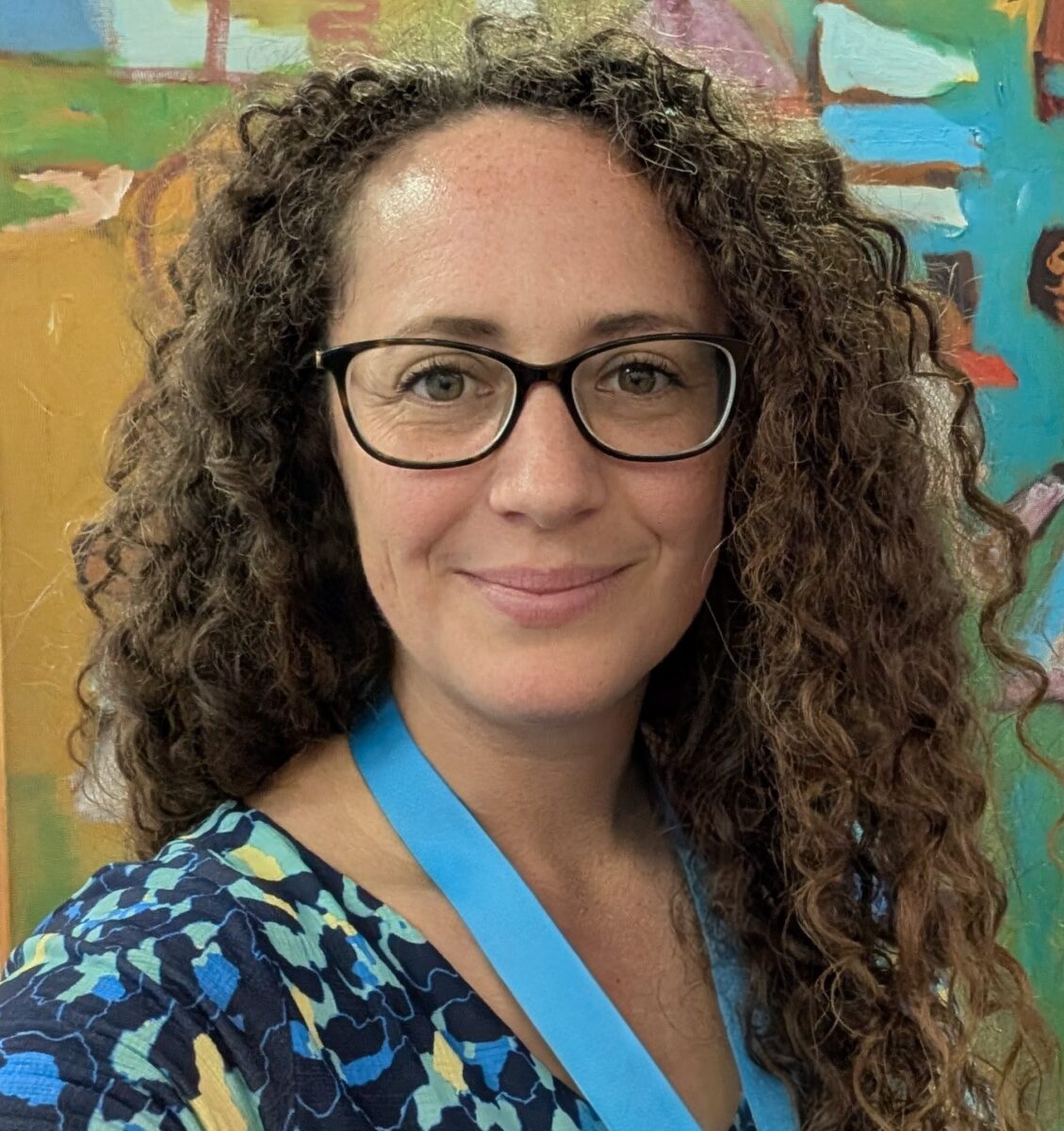 Rosie WorthDSA Cambridge Fellow, Head of ICT Strategy and Governance - International Organization for Migration (IOM), UK
“If you have a desire to help ensure that technology, and the pace of technology, isn’t something that simply happens to us, but something we actively engage with so that it serves society as a public good, then this is the programme for you.”
 Jennifer PougnetDSA Cambridge Fellow, Head of Data Strategy & Data Policy, Roche
The thinking behind the DSA Fellowship
Built on the foundations of digital statecraft
The Fellowship’s framework is based on the DSA working paper Governing Well in the Algorithmic Age: The Foundations of Digital Statecraft (2026).
The paper looks at how governments can govern data, algorithms and digital platforms well. It covers two sides of digital statecraft: statecraft over digital systems and statecraft with digital systems. It argues that good digital governance needs both technical coherence and legitimate authority, and sets out ten principles to guide it.
Ten principles of digital statecraft
- 1Public Interest First
- 2Human-Machine Complementarity
- 3Governability by Design
- 4Systemic Coherence
- 5Hybrid Institutions
- 6Adaptive Governance
- 7Human Centricity and Civic Agency
- 8Accountable and Traceable Authority
- 9Judgment Across Time
- 10The Non-Delegable Core
Programme structure
120 hours across four quarters
Designed to fit around a demanding role, while still giving a substantial learning experience.
Q1 · Programme-led
Foundation & network building
Onboarding into the global DSA and Cambridge community. Sessions on the foundations of digital statecraft, introductions to practitioners matched to each Fellow’s research interests, expert-led workshops from AI regulation to GovTech, and peer introductions across the cohort.
Q2 · In Cambridge
Training residency
Three training strands during the residency week:
Strand 1 · Systems thinking for AI-enabled governance
Strategic frameworks for digital change in complex governance settings.
Strand 2 · Understanding the technology
Hands-on knowledge across DPI, Data for Policy, Algorithmic Government and GovTech.
Strand 3 · From vision to implementation
Practical methods for turning a strategy into results.
Q3 · Fellow-led, with support
Project development
Focused work on your project, backed by practitioners and academics. Guidance on publication, peer review, collaborative working groups, and links across the DSA network to strengthen quality and real-world impact.
Q4 · Fellow-led, with support
Project delivery & assessment
Projects are completed in different formats — policy workshops, publications, prototypes or implementation frameworks. Includes reflective writing, a cohort assessment workshop and the move into the DSA alumni network.
Learning outcomes
What you will take away
Strategic leadership for the AI era
Frameworks for governing AI and data in the public interest, and the skills to lead digital change while protecting democratic values.
Technical fluency in four key areas
Knowledge of Digital Public Infrastructure, Data for Policy, Algorithmic Government and GovTech — so you can make informed technology decisions.
Skills to deliver results
Stakeholder engagement and decision-making under pressure, to design, pilot and scale policy ideas.
A global network
An international community of data and AI governance leaders, with ongoing links to Cambridge networks and fellow practitioners.
Recognition and a platform
A DSA Cambridge Fellowship Certificate, plus chances to publish and to present at international conferences.
A project ready to implement
A policy project, tested methods and the partnerships needed to put it into practice at home.
Who it is for
Senior and emerging leaders in public life
The DSA Fellowship is for leaders in government, public institutions, academia and relevant industries. Ideal candidates are professionals, researchers or practitioners with real responsibility, influence or potential to shape institutional strategy, policy design or technology-enabled change in the public sector.
You will be a good fit if you:
- have shown leadership in your profession or made an academic contribution
- are committed to public value, ethical governance and evidence-informed decisions
- are ready to work on complex challenges that span technology, policy and governance
- want practical skills in digital statecraft, algorithmic governance and data-driven policy
Ways to take part

Individual Fellows
We seek senior or emerging leaders who show:
- strong professional or academic experience in data science, AI, public policy or governance
- current or emerging leadership roles with clear potential for impact
- the influence to lead data-driven change in their organisation and region
- a vision for change beyond their immediate role

Institutional Partners
We welcome organisations that:
- nominate and sponsor high-potential leaders
- commit to acting on recommendations from the Fellowship
- offer expertise and resources to the wider Fellowship community
- champion responsible digital change in their sector

Strategic Collaborators
We invite institutions that want to:
- co-develop curriculum on data, AI and governance
- provide real-world case studies and places to implement
- sponsor applicants from under-represented regions and communities
- partner on research and publications
- build global networks for digital transformation
How to apply
What you will need to submit
We are now accepting applications for future cohorts. Please read this section before you start the application form. You can also read our Frequently Asked Questions (PDF).
- 1CV (max. 2 pages), including contact details for three referees
- 2Fellowship questions (3–5) that reflect your interests, used to plan your tailored networking meetings
- 3Project proposal (1 page) with your first thoughts on the main output you aim to deliver in Q4
- 4Introductory video (max. 3 minutes): who you are, your background and current role, why you are applying, and what you hope to achieve by the end
- 5Confirmation that you can travel to Cambridge, UK, for the residential week
- 6Funding information, fellows are responsible to secure funding to cover programme fees and any associated expenses
- 7Letter(s) of institutional support, if receiving funding from an organisation to join the Fellowship
Fellows need a strong command of English for academic and professional settings.
How Fellows are selected
The Fellowship is selective, with a small number of participants in each cohort.
- Selection is based mainly on individual merit and the quality of the proposal. We also consider the mix of skills, disciplines, sectors and regions in the final group.
- If we need more information, we may contact you before making a final decision.
- Every application is assessed with the same care and against the same standards.
Fees & expenses
£11,700 + VAT
The full participation fee includes the Cambridge residency, training materials and ongoing support. The fee is payable before the Fellowship begins, and you will be asked to confirm your funding status when you apply.
Fellows arrange and fund:
After you are accepted, you will be asked to review and confirm the DSA Cambridge Fellowship Terms and Conditions before your place is finalised.
We look forward to welcoming the next cohort of public leaders.
Questions about the programme? Read the FAQ (PDF) and the Terms and Conditions.